
 Antibiotics
 treat infections caused by bacteria. They do nothing for colds, flu or other viral illness, and using them when they are not needed drives resistance, so they should be matched to the right infection. Which antibiotic is appropriate depends on the organism, the site of infection and any allergy history, none of which can be judged from symptoms alone.
Medicines in the Antibiotics category
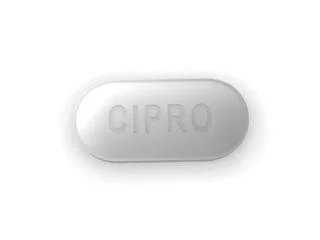
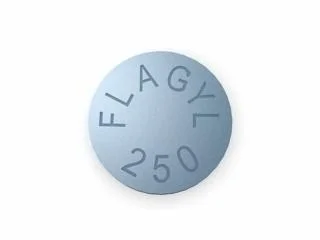
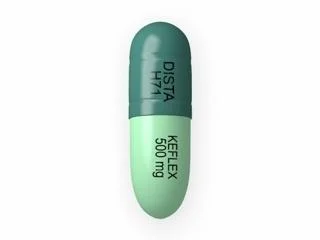
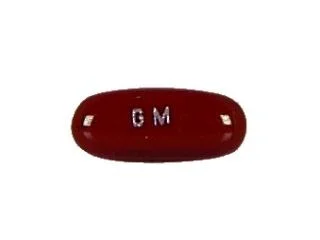
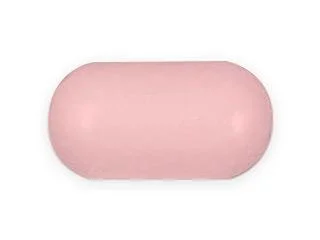
Tinidazole Tablets
500mg
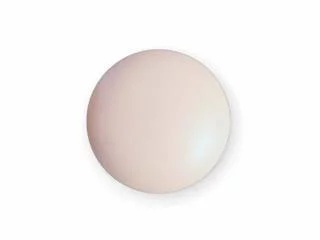
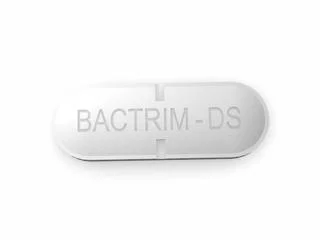
Tinidazole 500mg tablets, used for giardiasis, trichomoniasis and anaerobic bacterial infection. It breaks DNA strands in susceptible organisms.

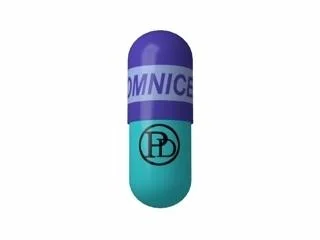
Vibramycin
100mg
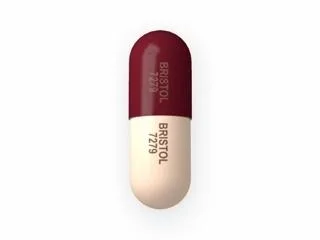
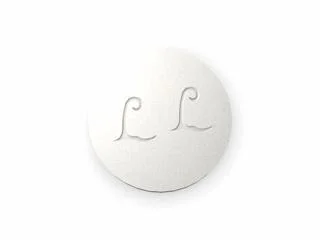
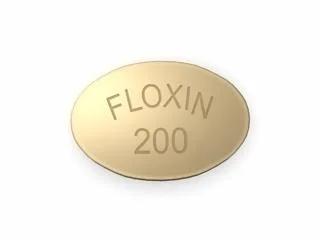
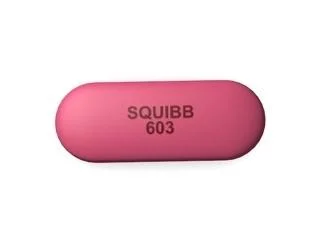
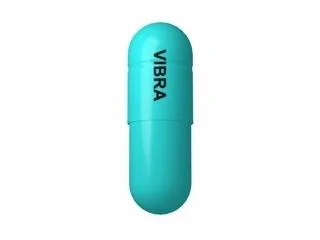
Doxycycline 100mg capsules and tablets, used for acne vulgaris, chlamydia, Lyme disease and respiratory tract infection. A broad-spectrum tetracycline.
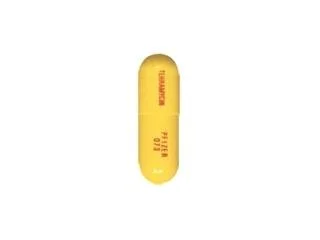
Terramycin
250mg
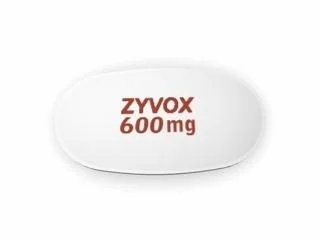
Oxytetracycline 250mg film-coated tablets, used for acne vulgaris and respiratory tract infection. A broad-spectrum tetracycline taken by mouth.
Rifampin Tablets
150 · 300 · 450 · 600mg
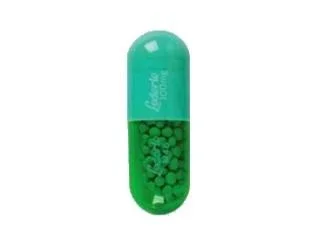
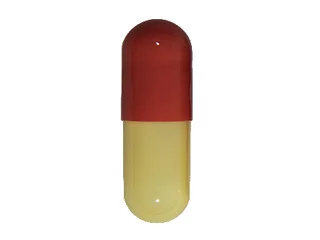
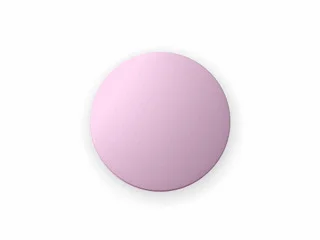
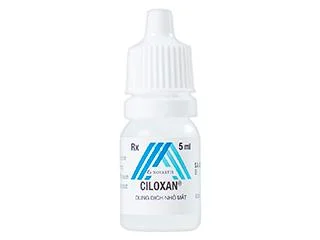
Rifampicin tablets in four strengths from 150mg to 600mg, used for tuberculosis and meningococcal carriage. It blocks bacterial RNA polymerase.
Zithromax Dispersible
100mg
Zithromax Dispersible is azithromycin 100mg in a tablet that disperses in water, for bacterial infection. It binds the 50S ribosomal subunit.
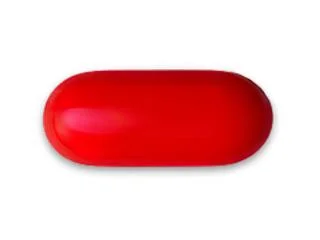
Ornidazole Tablets
500mg
Ornidazole 500mg tablets, used for trichomoniasis, amoebiasis and giardiasis. A nitroimidazole that disrupts DNA synthesis in protozoa.
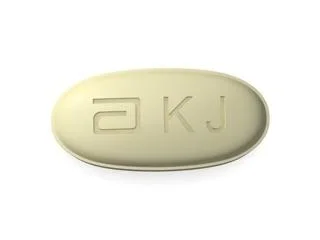
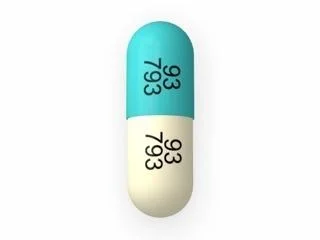
Chloromycetin
250 · 500mg
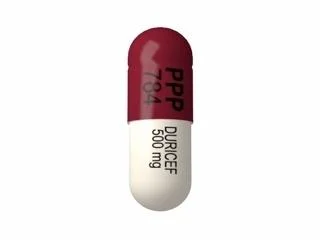
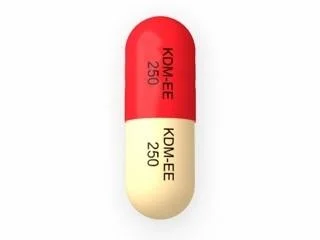
Chloramphenicol 250mg and 500mg hard capsules, used for bacterial infection and typhoid fever. It binds the 50S ribosomal subunit in bacteria.
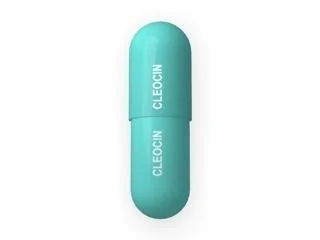

Trecator-sc
250mg
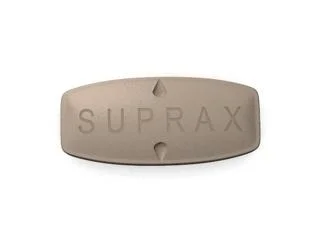
Ethionamide 250mg film-coated tablets, used in the management of tuberculosis. A thioamide that blocks peptide synthesis in mycobacteria.

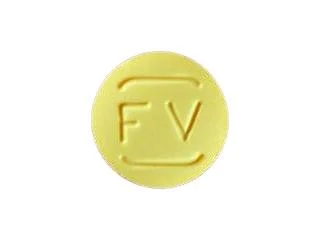
Furadantin
50 · 100mg
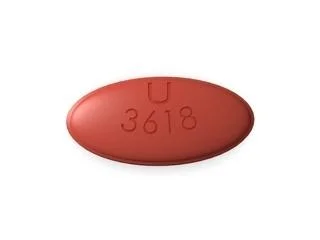
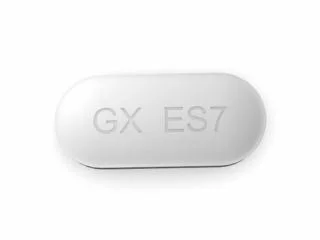
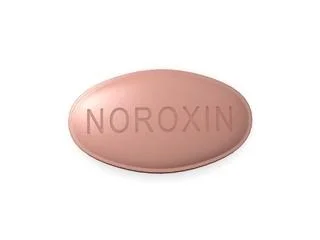
Nitrofurantoin 50mg and 100mg tablets, used for cystitis and urinary tract infection. Bacterial flavoproteins reduce it to reactive intermediates.
Key points
- Antibiotics act on bacteria only, so they do nothing for colds, flu or other viral illness.
- Class matters: penicillins, cephalosporins, macrolides, fluoroquinolones and urinary agents reach different organisms and tissues.
- Finishing a course as prescribed and never reusing leftovers is what limits resistance, which the WHO treats as a global priority.
Classes and ingredients in this category
- Penicillins such as amoxicillin and cephalosporins like cephalexin cover many common infections.
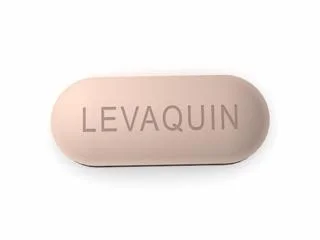
- Macrolides and fluoroquinolones such as ciprofloxacin and ofloxacin are used for specific or resistant infections.
- Urinary agents like nitrofurantoin target bladder infections.
Conditions it covers
These medicines are used for bacterial infection, urinary tract infection, respiratory tract infection and acne vulgaris. The agent depends on the likely organism and the site of infection, which is why a prescriber matches medicine to diagnosis.
Further reading
FAQ
Which antibiotics can I buy on AU Chemist?
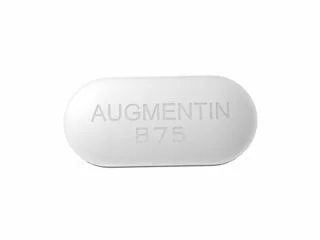
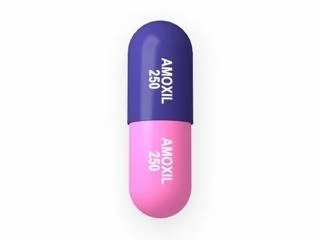
AU Chemist lists 45 antibiotics. They contain 36 different active ingredients, including amoxicillin, clavulanic acid and azithromycin. Examples include Augmentin and Amoxil.
What do antibiotics treat?
The antibiotics on AU Chemist are used for bacterial infection, urinary tract infection, respiratory tract infection, acne vulgaris and community-acquired pneumonia. Each product page lists the conditions for that medicine.
In what forms are antibiotics sold?
Mostly as tablets, with some capsules and eye drops. The forms and strengths are listed on each product page.
How do I compare antibiotics?
Start with the active ingredient: there are 36 different ones in this range. Products that share an ingredient contain the same medicine. Compare their strength, form and price per tablet. Each product page's details table lists uses, onset, side effects and interactions. If you take other medicines, are pregnant or have a long-term condition, check with a doctor or pharmacist first.
Will I receive branded or generic antibiotics?
A branded generic or a generic: AU Chemist supplies branded generics and generics only. Names such as Augmentin and Amoxil identify the medicine; you receive a generic with the same active ingredient and dose. The exact brand depends on stock.
What you will receive →What do antibiotics cost on AU Chemist?
It depends on the medicine, strength and pack size. Each product page shows the price per tablet for every option, in US dollars or the currency you choose. Larger packs usually cost less per tablet.
Payment and discounts →Can I order antibiotics online without a prescription?
Yes, online. AU Chemist does not ask for a prescription to order antibiotics. We are an online store, not a dispensing pharmacy; we arrange your order and delivery on your behalf.
Ordering without a prescription →Where can I buy antibiotics online in Australia?
Choose a product, strength and pack on AU Chemist, then check out. Our pharmacy partners ship from India to Australia in discreet packaging. Standard Airmail takes up to 3 weeks; Express Tracked Courier takes up to 1 week.
How ordering works →